Table of Contents
ToggleIntroduction
Whey protein is a high-quality protein derived from milk. The body absorbs it very quickly, and it contains all types of amino acids.
It plays a crucial role, especially in muscle building. Taking whey after a regular workout repairs damaged muscle tissues. But many people still wonder, does whey protein cause hair loss, especially when they start using supplements regularly. This helps restore your strength and boosts your metabolism.
So if you are asking yourself, does whey protein cause hair loss, the simple answer is: not directly. This is a question that comes up a lot, and it’s understandable why people worry!
The good news is that there is no strong scientific evidence that consuming whey protein cause hair loss. Hair loss usually occurs when people mix whey with testosterone boosters, or when high protein intake raises DHT levels in people who are already genetically prone to it.
What is Whey Protein?
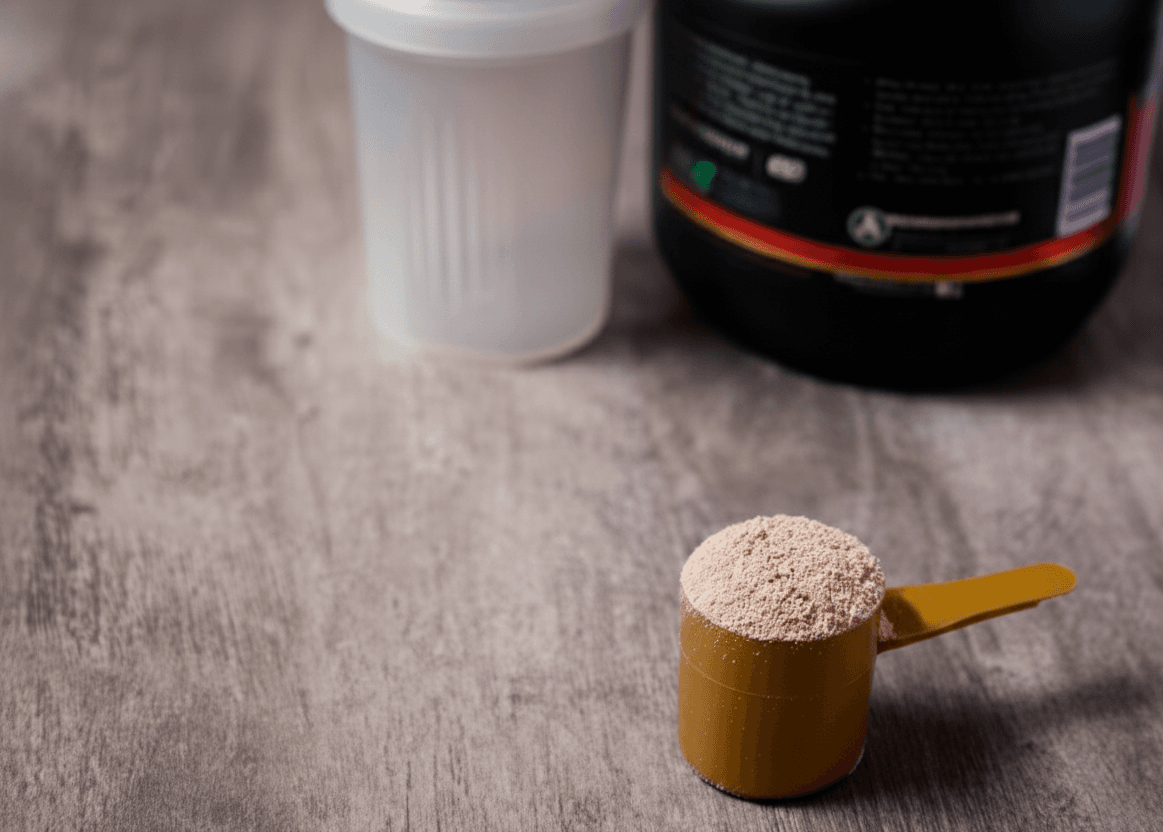
Whey protein is basically the powerhouse protein of milk and is generated as a byproduct in the production of cheese or yogurt.
Think of it like this: when you curdle milk in order to create cheese or yogurt, the milk splits into two parts:
- Curds: The solid, chunky part (that goes on to become cheese or yogurt).
- Whey – The thin, watery liquid which separates from the curds.
This liquid whey is packed full of fast-digesting protein. It is then carefully collected and subjected to a process removing the water, fat, and lactose by-products to leave a fine whey protein powder, which we are able to mix easily into shakes or food.
In other words, it’s a complete, high-quality protein-containing food, directly derived from milk, with all nine essential amino acids.
Understanding what whey protein actually is helps clear confusion behind the question, “Does whey protein cause hair loss?”
Benefits of Whey Protein
- Whey supports muscle growth and helps to repair the muscle due to high protein.
- Regular use increases lean muscle mass in the body and reduces muscle fatigue.
- Support the immune system in the body.
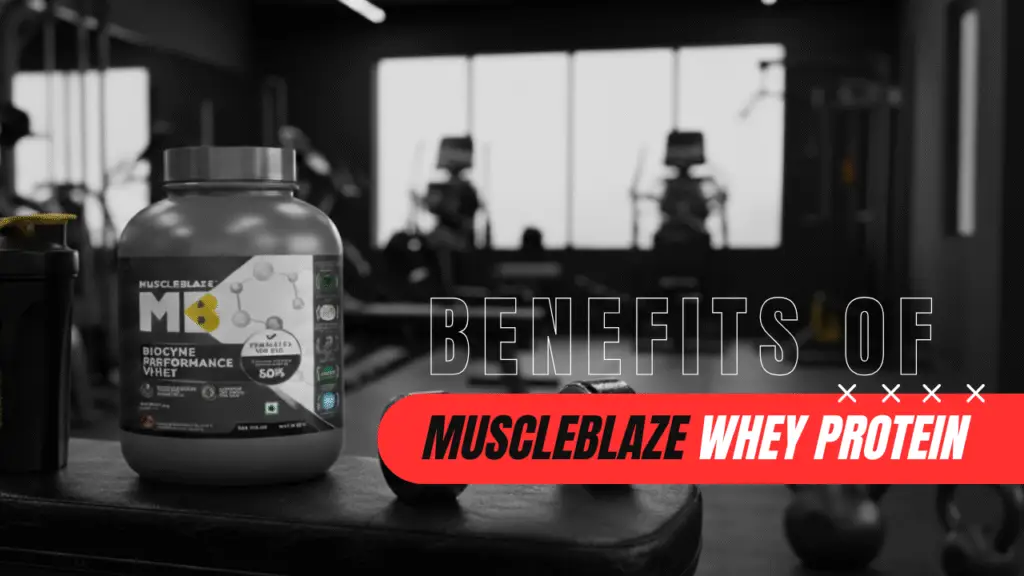
If you want to understand the real benefits of whey for muscle growth, you can read my detailed guide on the 5 Proven Benefits of MuscleBlaze Whey Protein.
Recommended Whey Protein:
If you’re planning to start whey protein, here are some safe and popular options:
MuscleBlaze Whey Protein (Best for Beginners)
Disclosure: This article contains affiliate links, including Amazon and Cuelinks affiliate links. If you buy through them, I may earn a small commission. This helps support the website at no additional cost to you.
Understanding Hair Loss and Its Causes
Here are some common types of hair loss with brief explanations:
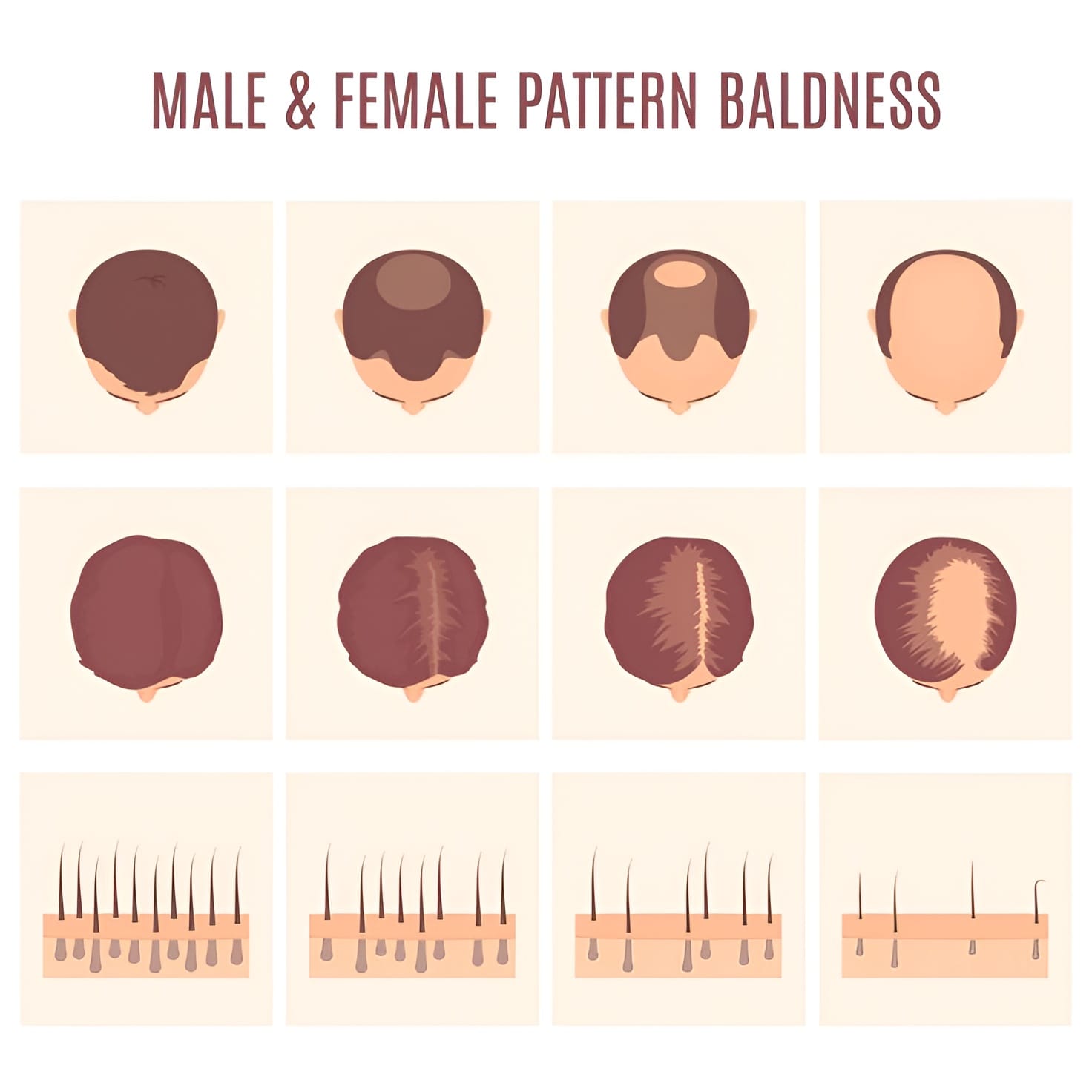
1. Androgenetic Alopecia (Male/Female Pattern Baldness)
This is the most common type of hair loss, and it happens due to genetic factors and an inherent sensitivity to the DHT hormone.
Symptoms of Pattern Baldness
- Men: Receding hairline and thinning at the crown (the top of the head).
- Women: Overall thinning across the entire scalp.
People often connect these symptoms with supplements and ask, Does whey protein cause hair loss?, but genetics remain the primary reason.
2. Telogen Effluvium
Sudden, Temporary Hair Loss
This kind of hair loss happens suddenly and is temporary. It can be caused by:
- Mental stress or emotional shock
- Illness or infection
- Crash dieting
- Nutritional deficiencies
The good news is that the hair usually grows back once the underlying issue or problem is resolved.
Role of Hormones like Testosterone and Dihydrotestosterone (DHT) in Hair Loss
Most of the confusion around whey protein hair loss comes from the belief that whey increases DHT levels, which is not scientifically proven. This is the precise biological explanation of how genetic hair loss (Androgenetic Alopecia) occurs:
The male hormone testosterone is converted into DHT (Dihydrotestosterone) by an enzyme called 5-alpha reductase.
In people who are genetically sensitive, DHT binds to receptors in the hair follicles. This action causes the follicles to shrink (miniaturize) and shortens the hair’s growth cycle.
Over time, the hair becomes thin and weak, eventually leading to Androgenetic Alopecia (pattern baldness) in men and, sometimes, in women.
Other Factors Influencing Hair Health: Genes, Diet, Stress, Medical Conditions
Several factors have an impact on your hair’s health, including:
- Genetic characteristics
- Nutritional deficiencies
- Mental stress
- Lack of sleep
Deficiencies in iron, protein, and vitamins specifically contribute to weakening the hair.
Furthermore, hair health can be damaged by underlying medical conditions such as Thyroid issues, Anemia, and certain skin problems.
Scientific Evidence and Expert Opinions
1. Summary of research findings linking whey protein to hair loss acceleration in genetically predisposed people
Some research suggests that consuming whey protein, particularly whey isolate, can slightly increase levels of IGF-1 (Insulin-like Growth Factor 1) and androgens (male hormones).
This can speed up DHT-related hair loss in individuals who have genetic sensitivity.
Key Takeaways:
Limited Evidence: The evidence for this association is limited, and the causality has not been definitely established.
- There is a risk group, mainly consisting of people who have a family history or are genetically prone to losing their hair.
This is why some people think does whey protein cause hair loss, especially if they already have DHT-sensitive hair follicles.
2. Contrasting views that whey protein itself does not directly cause hair loss but may influence hormonal pathways.
Some researchers believe that whey protein is not a direct cause of hair loss, but that it may exert a slight influence on the body’s IGF-1 or androgen pathways. Hair loss can worsen due to these hormonal changes in certain individuals. However, there is no clear evidence of harm for the general population.
3. Importance of balanced protein intake for hair maintenance.
Hair essentially consists of a certain protein called keratin. The intake of sufficient and proper amounts of protein is, therefore, essential for maintaining strong hair.
Another important thing to note is that too much and too little protein can be detrimental. When you do not take enough protein, the hair becomes thin and brittle.
It is most beneficial to get your protein from diverse sources, including
- Fish
- Lentils (Dal)
- Eggs
- Milk
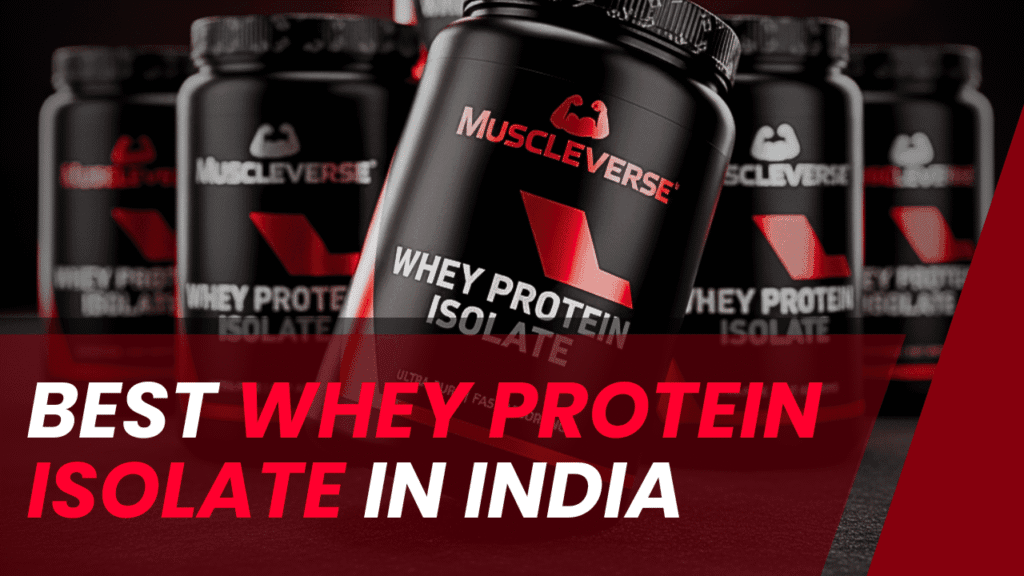
If you’re considering whey isolate, you may also check my review of the Best Whey Protein Isolates in India to pick a safe, high-quality option.
Myths vs Facts About Whey Protein Hair Loss
1. Debunking the common misconception that whey protein cause hair loss outright.
The popular belief that taking whey protein automatically causes hair loss is actually a misconception. Whey itself does not harm hair follicles, and there are no proven harmful effects for the vast majority of people. For those who already suffer from hair loss, whey is not directly responsible for the problem.
2. Emphasize persons in whose cases whey protein has no hair problems.
Most athletes, gym enthusiasts, and bodybuilders take whey protein regularly and never experience any adverse effects on their hair.
Individuals with proper hormonal balance, no genetic predisposition to loss of hair, and sufficient intake of vitamins and minerals will benefit from whey protein in cases of muscle recovery and growth without compromising normal conditions of hair.
3. The emphasis on genetic predisposition and hormonal imbalance as primary culprits
Generally speaking, the underlying causes for hair loss are genetic predisposition and hormonal imbalance. Even a slight increase in the level of androgens will hasten hair loss in cases where DHT-sensitive hair follicles are present. Thus, it is not whey but family history (genetics), stress, and thyroid problems that cause hair loss.
Practical Advice for Whey Protein Users Concerned About Hair Loss

1. Recommendations for individuals facing hair loss during whey protein consumption.
If you find that your hair loss is increasing with the consumption of whey protein, here’s what you should do:
- Lower the dosage or stop taking whey protein altogether.
- Increase your dietary intake of key nutrients such as Vitamin D, Iron, Zinc, and Biotin.
- Visit your doctor and request thyroid and hormonal tests that can rule out the underlying medical causes.
- If necessary, plant-based protein can be used as a suitable alternative.
2. Consider switching from whey protein isolate to concentrate or alternative protein sources.
If there is an increase in long-term hair loss, one should consider whey concentrate or plant-based proteins, such as pea protein.
Whey concentrate tends to be less processed, which could mean a lesser hormonal effect. Pea protein or other plant-based protein alternatives are also good options.
3. Consulting healthcare or dermatology professionals for personalized advice.
If you have concerns about hair loss, you should consult a dermatologist or a health expert.
They can perform necessary evaluations, including blood tests, hormone profiling, and nutritional deficiency assessments, to provide you with a personalized, appropriate treatment plan.
It is crucial to follow the expert’s guidelines instead of making unnecessary changes to your supplements. This is the best course of action for both your hair and your overall health.
4. Monitoring dosage and overall diet for hormonal balance and hair health.
While consuming whey protein, it is crucial to maintain the correct dosage and ensure your overall diet is balanced with total calories, fat, and micronutrients.
Remember that excessive protein or insufficient vitamins and minerals can negatively affect your hormonal balance.
A moderate dose of supplements combined with nutritious food is ultimately supportive of good hair health.
For those wondering about the ideal timing for whey protein intake, here is a complete guide on the Best Time to Take Whey Protein for Maximum Results.
Conclusion
To summarize the entire discussion around does whey protein cause hair loss, the relationship depends mainly on genetics and DHT levels.
1. Recap of the nuanced relationship between whey protein hair loss.
The main factor linking whey protein and hair loss is the DHT hormone.
DHT Mechanism: Using whey protein, particularly whey isolate, may cause testosterone levels to rise, which is then converted into the hormone Dihydrotestosterone (DHT).
Risk: In individuals with a genetic predisposition for Androgenetic Alopecia (pattern baldness), this DHT can shrink the hair follicle and accelerate the rate of hair loss.
2. Whey protein does not cause hair loss directly but may accelerate it in those genetically predisposed.
Yes, whey protein is not directly responsible for hair loss. However, it can accelerate hair loss through the increase of the DHT hormone, particularly in individuals who are genetically predisposed to hair issues.
3. Encouragement to make informed choices and seek professional guidance if hair loss is a concern.
If you have concerns about hair loss, make sure you have the correct information.
Doctors Recommend: Before consuming protein supplements, consult a skin specialist or dermatologist to determine the cause of your hair loss.
If you have a genetic predisposition, you can choose alternative proteins, such as pea protein or plant-based protein.
A well-informed choice ensures the long-term health of your hair.
So the debate of does whey protein cause hair loss should always consider genetics, nutrition, and overall health first.
If you’re confused between different supplements, you can also read my in-depth comparison: Creatine vs Whey Protein – The Ultimate Guide.
FAQs
1. Is whey protein causing hair fall?
Ans: Not directly. Whey protein does not directly cause hair loss for most people. However, in individuals who are genetically predisposed to male/female pattern baldness (Androgenetic Alopecia), consuming certain types of whey (like isolate) may slightly increase the levels of the hormone DHT, which can then accelerate the rate of hair loss.
2. Can too much protein cause thinning hair?
Ans: Yes and no. It notes that insufficient protein can make hair thin and brittle. While high protein intake can slightly influence hormonal pathways (like DHT, which causes thinning in those genetically sensitive), it’s the hormonal balance and genetic predisposition, not just the quantity of protein, that are the primary culprits for thinning hair.
3. Is hair loss reversible?
Ans: It depends on the cause. Hair loss caused by Telogen Effluvium (due to stress, illness, or diet) is usually temporary and reversible once the underlying issue is resolved. However, hair loss caused by Androgenetic Alopecia (genetic pattern baldness driven by DHT) is typically progressive, although its acceleration can be managed with professional treatment and lifestyle adjustments.
4. What hormones are you lacking if your hair is falling out?
Ans: Hair loss is often caused by an excess or sensitivity to a hormone, not a lack of one. The main hormonal driver for pattern baldness is Dihydrotestosterone (DHT), which is derived from testosterone. High levels of, or high sensitivity to, DHT causes hair follicles to shrink. You should consult a doctor to check for hormonal imbalances, including those related to the thyroid.